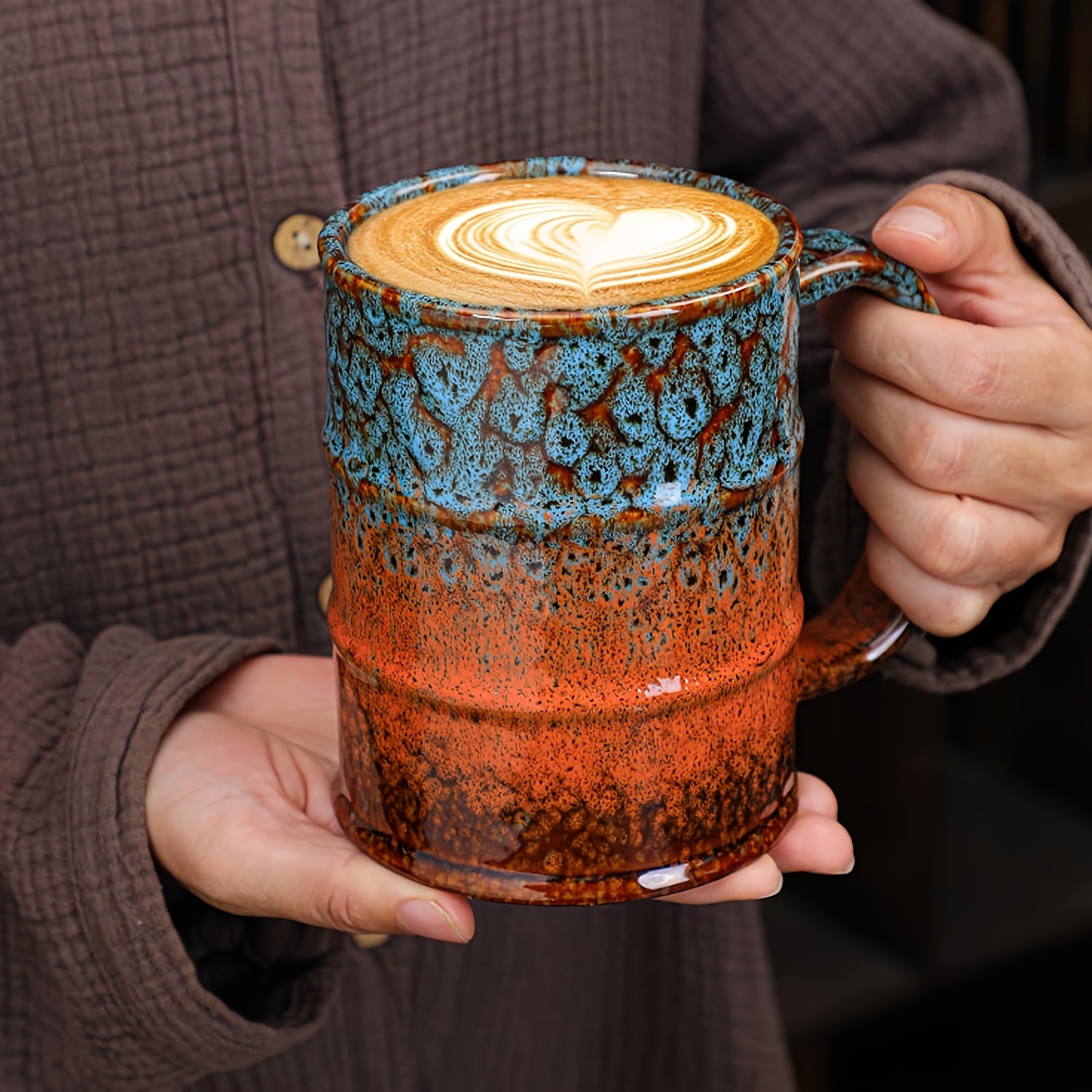
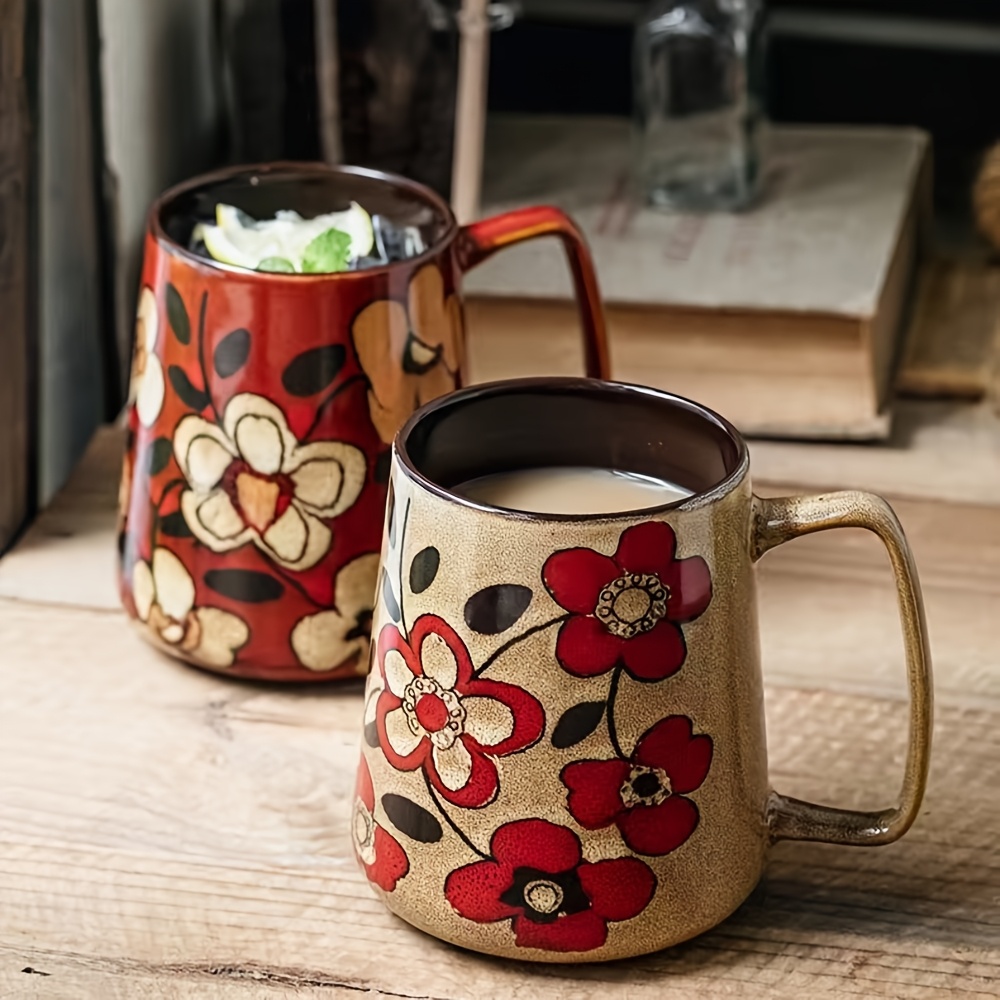
.png?w=1920&h=822)
Why Handle Design Matters: Ergonomics and the Perfect Grip
Apr 17,2026 | Michael Zhang
The Overlooked Element of Mug Design
When shopping for a mug, most people focus on capacity, material, or aesthetic appeal. But there's one crucial element that often goes unnoticed until that first morning sip: the handle. A well-designed handle can mean the difference between a comfortable, enjoyable drinking experience and an awkward, even painful one.
The handle is your primary point of contact with your mug. It's how you lift, carry, and drink from it. Yet handle design is often an afterthought in both manufacturing and purchasing decisions. Let's explore why this humble feature deserves much more attention.
The Anatomy of a Perfect Handle
What makes a handle "perfect"? It comes down to several key factors that work together:
Finger Room: The most common complaint about mug handles is insufficient space. A well-designed handle should comfortably accommodate at least two fingers (index and middle) for most hand sizes. Three-finger handles offer even better support for larger mugs. If your fingers feel cramped or touch the mug body, the handle is too small.
Handle Shape: Handles come in various shapes—C-shaped, D-shaped, ear-shaped, and loop handles. C-shaped handles are classic and work well for smaller mugs. D-shaped handles provide more finger room and are ideal for larger capacities. Loop handles offer the most flexibility and are great for mugs you might carry with multiple fingers.
Handle Position: The handle should be positioned so that when you grip it, the mug's center of gravity stays balanced. A handle placed too high or too low can cause the mug to tip forward or backward when lifted, making it feel unstable.
The Science of Weight Distribution
Ergonomics isn't just about comfort—it's about physics. When you lift a mug, you're creating a lever system. The handle is the fulcrum, and the weight of the mug and its contents create torque.
A well-balanced mug keeps this torque minimal. This means:
- The handle should be positioned at or slightly above the mug's center of mass when empty
- The handle should extend outward enough to keep your knuckles away from the hot mug body
- The mug's weight should feel concentrated in your palm, not pulling away from it
Poor weight distribution leads to wrist strain, especially when drinking from a full mug. Over time, this can contribute to discomfort or even repetitive strain issues for heavy coffee drinkers.
Material Matters: Handle Texture and Temperature
The handle's material is just as important as its shape. Ceramic handles offer natural insulation, staying cool even when the mug contains hot liquid. However, some ceramic handles are glazed to a slippery smoothness, which can be problematic when your hands are slightly damp.
Consider these material factors:
- Texture: A slightly textured or matte handle provides better grip than a highly polished one
- Thickness: Thicker handles are easier to grip but may not suit smaller hands; thinner handles can dig into fingers over time
- Insulation: Ceramic naturally insulates, but metal handles can conduct heat and become uncomfortably warm
The Hand-Mug Connection: Size Matching
One reason some mugs feel "just right" while others don't is hand-mug size compatibility. A handle that's perfect for someone with large hands might be awkward for someone with smaller hands, and vice versa.
For smaller hands, look for:
- Narrower handle openings that allow a secure grip without stretching
- Thinner handle profiles that are easier to wrap fingers around
- Lighter overall mug weight to reduce strain
For larger hands, prioritize:
- Wider handle openings that can accommodate three or even four fingers
- Deeper handle curves that prevent knuckles from hitting the mug body
- Sturdy construction that can handle the leverage of a full grip
The Impact on Your Daily Ritual
Why does handle ergonomics matter beyond mere comfort? Because your morning coffee or tea ritual is about more than caffeine delivery. It's a moment of pause, a small pleasure that sets the tone for your day.
An uncomfortable handle creates subtle stress. You might find yourself adjusting your grip constantly, being careful not to bump your knuckles against the hot mug, or feeling wrist fatigue after finishing a large coffee. These small discomforts accumulate, turning a pleasant ritual into a minor annoyance.
Conversely, a perfectly designed handle becomes invisible—you don't notice it because it just works. This seamless experience allows you to focus on what matters: the warmth, the aroma, the taste, and the moment of calm in your day.
Finding Your Perfect Mug
Ready to evaluate your current mugs or shop for a better one? Here's a quick test:
- The Two-Finger Test: Can you comfortably fit two fingers through the handle without them touching the mug body?
- The Balance Test: When you lift the mug by the handle, does it stay level or tip forward/backward?
- The Knuckle Test: When gripping the handle, do your knuckles clear the mug body by at least half an inch?
- The Weight Test: Can you hold the mug (filled) for 30 seconds without your wrist feeling strained?
If your current mugs fail any of these tests, it might be time for an upgrade. Explore our ceramic mug collection to find options with thoughtfully designed handles that prioritize both style and comfort.
Conclusion: The Handle Deserves Respect
The humble mug handle is a triumph of functional design—evolved over centuries to make hot beverages safer and more comfortable to enjoy. When choosing your next mug, give the handle the attention it deserves. Your hands (and your morning ritual) will thank you.
After all, the perfect mug isn't just about how it looks on your shelf. It's about how it feels in your hand, morning after morning, cup after cup.
Comment